

A float switch is a device used for detecting liquid levels or controlling liquid levels. It typically consists of a float and an electrical switch. The float moves up and down based on the level of the liquid, thereby coming into contact with or separating from the electrical switch to control the switch’s state.
The main purpose of a float switch is to monitor and control the level of liquids in various applications, such as tanks, sumps, wells, and other containers. It is commonly used in industries such as water treatment, wastewater management, oil and gas, HVAC (heating, ventilation, and air conditioning), and industrial automation.
The operation of a float switch is relatively simple. Here are the basic steps for using a float switch:
Mounting: Determine the appropriate location for installing the float switch in the container or tank. Ensure that the float switch is securely mounted and positioned to allow the float to move freely with the liquid level.
Wiring: Connect the electrical wires of the float switch to the appropriate control circuit or system. Follow the wiring diagram provided by the manufacturer to ensure correct connections.
Calibration: Some float switches may require calibration to adjust the switch activation and deactivation points according to the desired liquid level. Refer to the manufacturer’s instructions for the specific calibration procedure.
Testing: Once the float switch is installed and connected, perform a test to ensure its proper functioning. Fill or drain the container to observe the switch’s response as the liquid level changes. Verify that the switch activates or deactivates at the desired liquid levels.
Integration: Integrate the float switch with the control system or equipment as per the application requirements. This may involve connecting the switch to alarms, pumps, valves, or other devices for level control or monitoring purposes.
Maintenance: Regularly inspect the float switch for any signs of damage, corrosion, or malfunction. Clean the float switch if necessary to ensure its optimal performance. Follow the manufacturer’s guidelines for maintenance and replacement intervals.
In summary, a float switch is used to detect and control liquid levels in various applications. By utilizing the buoyancy of a float, it activates or deactivates an electrical switch based on the liquid level changes. Proper installation, wiring, calibration, testing, integration, and maintenance are key steps in utilizing a float switch effectively.
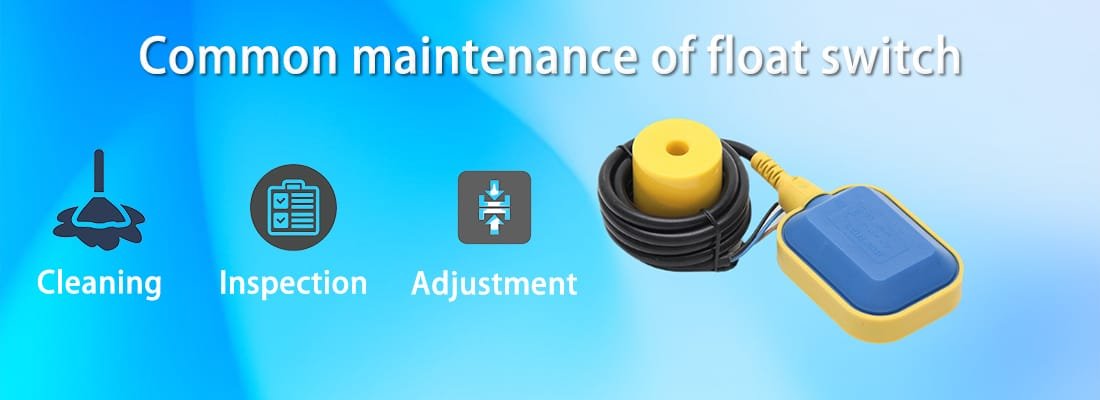
Some common maintenance tasks for float switches include:
Cleaning: Over time, debris, sediment, or deposits can accumulate on the float switch, affecting its movement and performance. Regularly clean the float switch using a mild detergent or cleaning solution and a soft brush. Ensure that the switch is disconnected from the power source before cleaning.
Inspection: Periodically inspect the float switch for any signs of damage, such as cracks, corrosion, or worn-out components. Check the electrical connections for any loose or damaged wires. Inspect the float itself for any leaks or signs of wear.
Adjustment: If the float switch is not activating or deactivating at the desired liquid levels, it may require adjustment. Refer to the manufacturer’s instructions for the specific adjustment procedure. This typically involves adjusting the position or height of the float or modifying the switch activation points.
Testing: Regularly test the float switch to ensure its proper functioning. Fill or drain the container to observe the switch’s response as the liquid level changes. Verify that the switch activates or deactivates at the desired liquid levels. If any issues are detected during testing, further troubleshooting or maintenance may be required.
Replacement: Float switches have a limited lifespan, and over time, they may wear out or become less reliable. If the switch is consistently malfunctioning or if it is damaged beyond repair, it may be necessary to replace it with a new float switch. Follow the manufacturer’s guidelines for the recommended replacement intervals.
Environmental Considerations: In certain applications, the liquid being monitored or controlled by the float switch may contain corrosive substances or chemicals. In such cases, it is important to select a float switch that is specifically designed for compatibility with the liquid and the environment. Regularly check the compatibility of the float switch with the liquid being used and take appropriate measures to prevent damage or corrosion.
When performing maintenance on float switches, it is important to keep the following safety precautions in mind:
Disconnect Power: Before starting any maintenance tasks, ensure that the power supply to the float switch and associated equipment is disconnected. This helps prevent electric shock or accidental activation of machinery during maintenance.
Lockout/Tagout: If the float switch is part of a larger system or equipment, follow proper lockout/tagout procedures as per your organization’s safety guidelines. This involves isolating the power source and placing lockout/tagout devices to prevent accidental energization while maintenance is being performed.
Personal Protective Equipment (PPE): Wear appropriate personal protective equipment, such as gloves, safety glasses, and protective clothing, to protect against potential hazards and chemical exposure. The specific PPE required may vary depending on the maintenance tasks and the environment in which the float switch is located.
Ventilation: If the maintenance involves working in confined spaces or areas with inadequate ventilation, ensure proper ventilation is provided to prevent the accumulation of harmful gases or fumes.
Chemical Hazards: If the float switch is used in applications involving hazardous liquids or chemicals, be aware of the associated risks. Follow proper handling procedures for the specific substances involved and ensure that you are trained in handling such materials safely.
Equipment Stability: Ensure that the equipment or container where the float switch is installed is stable and secure. Take precautions to prevent accidental tipping or movement of the equipment during maintenance, as this can lead to spills or injuries.
Training and Knowledge: Ensure that the personnel performing maintenance on float switches are adequately trained and have a good understanding of the specific maintenance procedures and safety precautions involved. If necessary, seek guidance from qualified professionals or consult with the manufacturer.